Why Is Red Rock Canyon Famous? History, Geology And Fun Facts
The short answer is geology: a 180-million-year-old sandstone formation, split by a fault line old enough to have flipped the rock layers upside down, sitting close enough to a major city that almost nobody has an excuse not to see it.
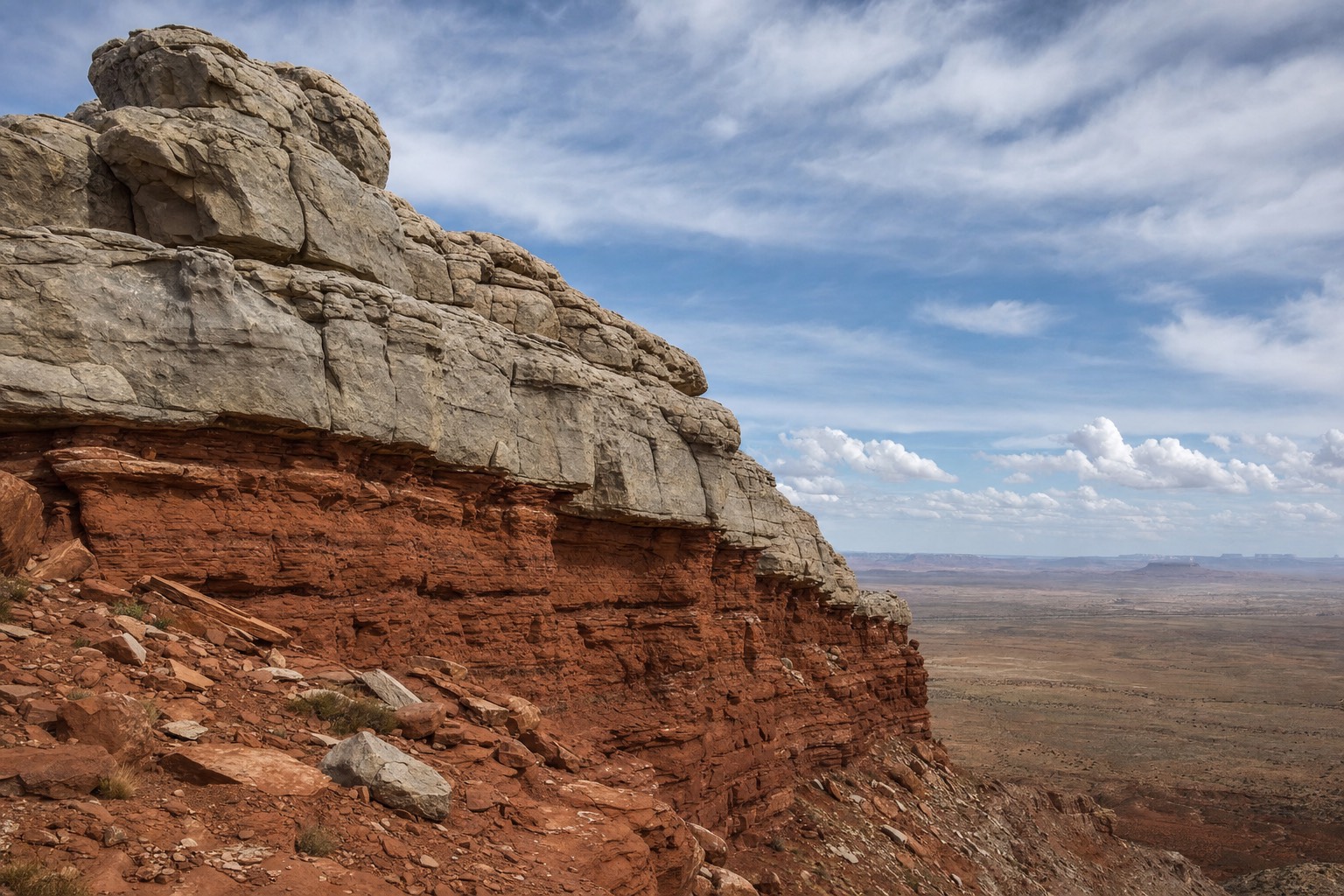
The short answer is geology: a roughly 180-million-year-old sandstone formation, split by a fault line old enough to have flipped the rock layers upside down, sitting close enough to a major city that almost nobody has an excuse not to see it.
Planning a guided outing? Let a guide drive the Scenic Loop, with Visitor Center and Calico Hills stops.
Explore Red Rock Canyon Scenic TourRed Rock Canyon is famous mainly for its Aztec Sandstone, formed from ancient sand dunes about 180 million years ago, and the Keystone Thrust Fault, which pushed older grey limestone up and over the younger red rock roughly 66 million years ago, plus its unusual proximity to Las Vegas. Human history in the area goes back over a thousand years.
What Makes The Rock Look The Way It Does?
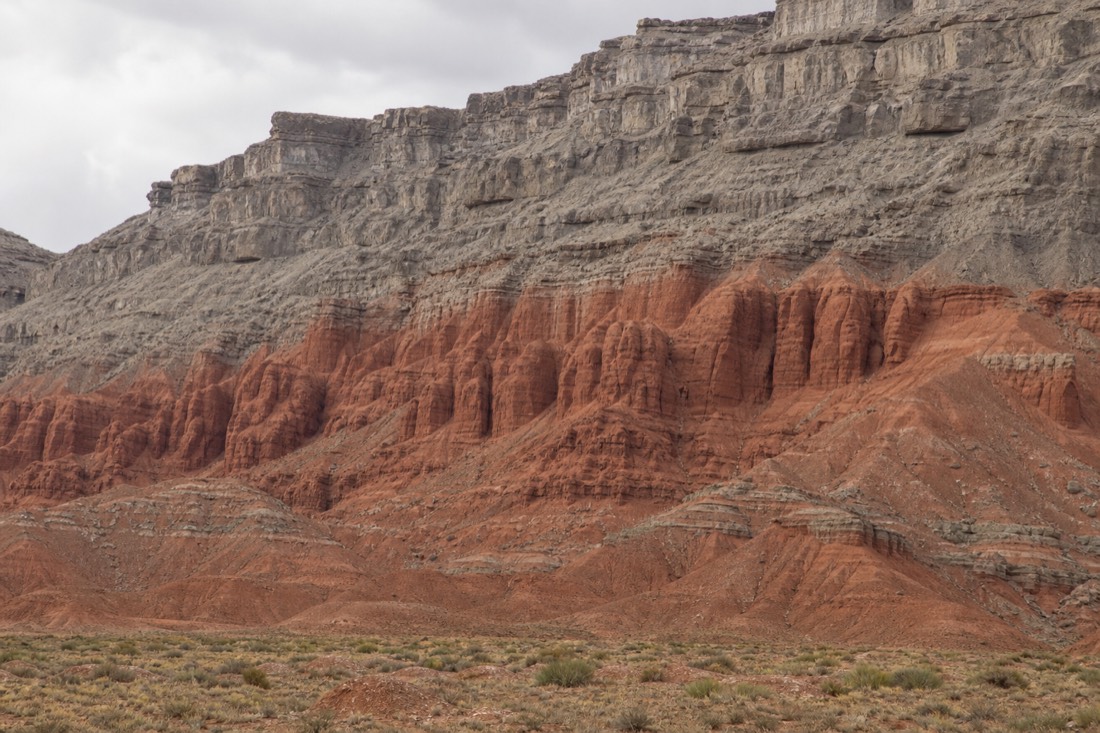
The red and orange cliffs are Aztec Sandstone, lithified from ancient wind-blown sand dunes around 180 million years ago. The grey rock capping parts of the escarpment tells an even stranger story: the Keystone Thrust Fault, active roughly 66 million years ago during a mountain-building period called the Laramide orogeny, pushed older grey limestone up and literally over the top of the younger red sandstone beneath it. Rock that should be underneath, geologically speaking, sits on top instead. That inversion is visible in several spots along the Scenic Drive.
Who Lived Here Before It Was A Park?
Southern Paiute presence in the area dates back to roughly 900 AD, and multiple Native American cultures used the land for millennia before that. The area's human history stretches back far longer than its modern designation as protected land.
How Did It Become Protected Land?
The Bureau of Land Management designated 10,000 acres here as "Red Rock Recreation Lands" in 1967, and the area was elevated to full National Conservation Area status in 1990. Today it covers 197,349 acres, a figure this site's own homepage rounds to 195,000 acres, the same real number at different precision.
Why Do People Compare It To Zion Or Bryce Canyon?
The comparison holds up better than most tourism shorthand: Red Rock Canyon shares the same broad type of sandstone geology as Zion and Bryce Canyon further north, produced by similar ancient dune formation, but it sits minutes from a major international airport instead of hours from the nearest city. That combination, real geology plus real convenience, is unusual and is a large part of why locals call it a "mini Bryce Canyon" close to home.
A Few More Facts Worth Knowing
- The conservation area spans 197,349 acres, an area larger than several small US cities.
- Desert bighorn sheep, wild burros, and desert tortoises all live within its boundaries today.
- The 13-mile Scenic Drive was built specifically to let visitors see the geology without leaving pavement.
- Southern Paiute presence in the immediate area predates the modern park by well over a thousand years.
Does The Fame Translate Into Crowds?
To a point. Red Rock Canyon can be busy at popular overlooks and trailheads. Tour booking counts do not establish how crowded the park will be on your date. Part of its reputation among locals is precisely that it delivers dramatic, famous-looking geology without the crowds of a bigger-name destination. See our take on whether Red Rock Canyon is worth visiting for the honest version of that argument, and our answer to what's actually been filmed here for a different kind of fame entirely.
What's The Single Fact Worth Remembering?
If you only take one geological fact away: the grey rock sitting on top of red rock in several places along the drive is not random. It is the visible result of one tectonic plate shoving older rock bodily over younger rock, tens of millions of years before anyone built a road through it. Our comparison with Valley of Fire covers how this geology differs from the more uniformly red sandstone found there.
One way to experience this geology up close is the guided scooter tour along the full 13-mile loop, moving slowly enough to actually see the Keystone Thrust line where the rock changes color partway up the cliff. It is one of several guided Red Rock Canyon tours built around this exact geology.