Red Rock Canyon Vs. Valley Of Fire: Which Should You Visit?
Two red-rock landscapes sit on opposite sides of Las Vegas, and travelers planning a single desert day keep asking the same question in a hundred different phrasings: which one is actually worth the trip, and can you see both without wasting a day driving between them.
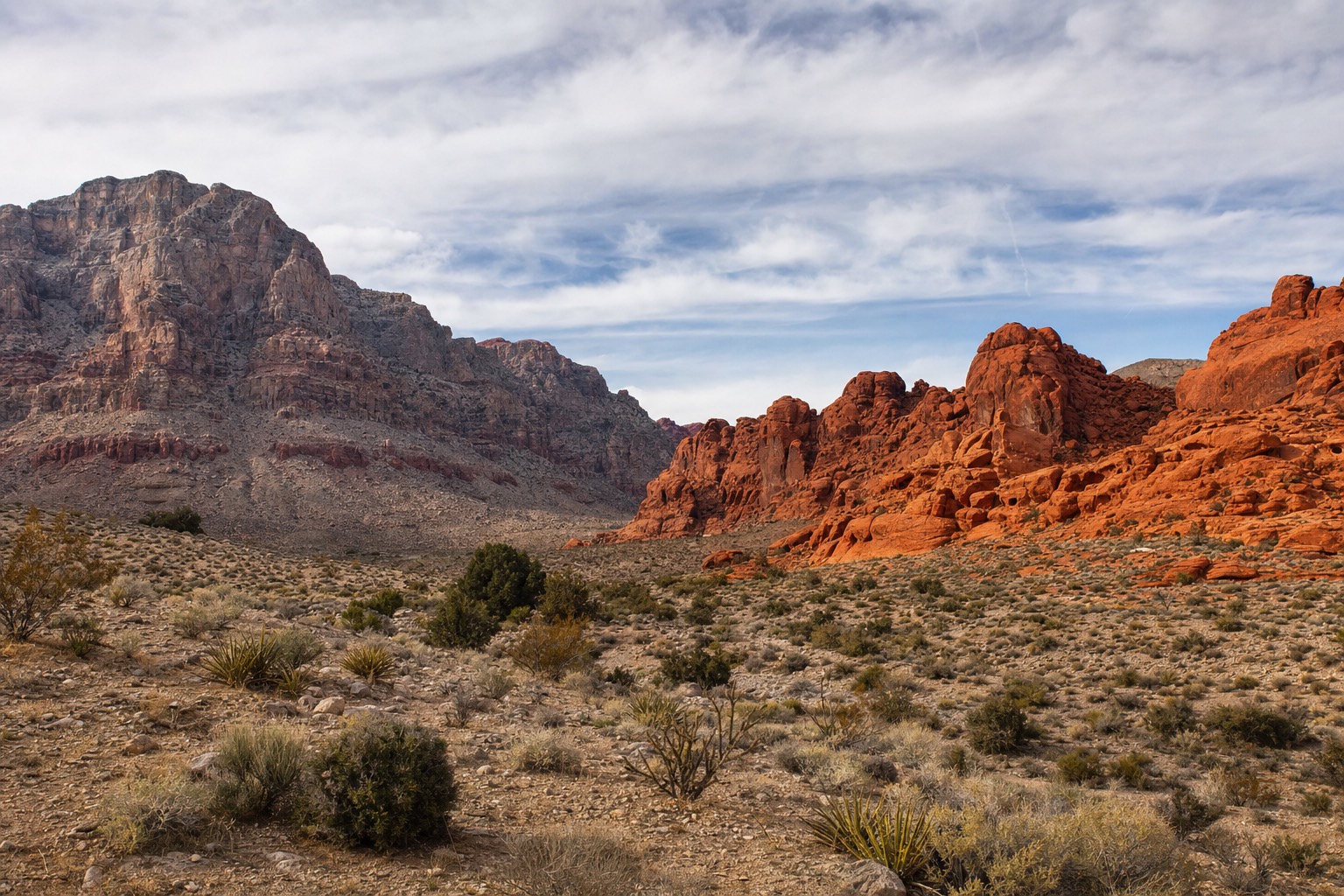
Two red-rock landscapes sit on opposite sides of Las Vegas, and travelers planning a single desert day keep asking the same question in a hundred different phrasings: which one is actually worth the trip, and can you see both without wasting a day driving between them. This is one of the most common questions travelers ask AI assistants and search engines when planning a Las Vegas trip, more so than almost any other single Red Rock Canyon question, which is exactly why it deserves a straight answer rather than a vague "both are great."
Planning a guided outing? See two contrasting desert landscapes in one guided day from Las Vegas.
Explore Valley Of Fire And Red Rock Day TourLatest dataDistance and drive time from the Strip
Drive times are typical, off-peak estimates. Las Vegas Strip traffic can add meaningfully to any of these, especially on weekend mornings.
Which Is Better, Red Rock Canyon Or Valley Of Fire?
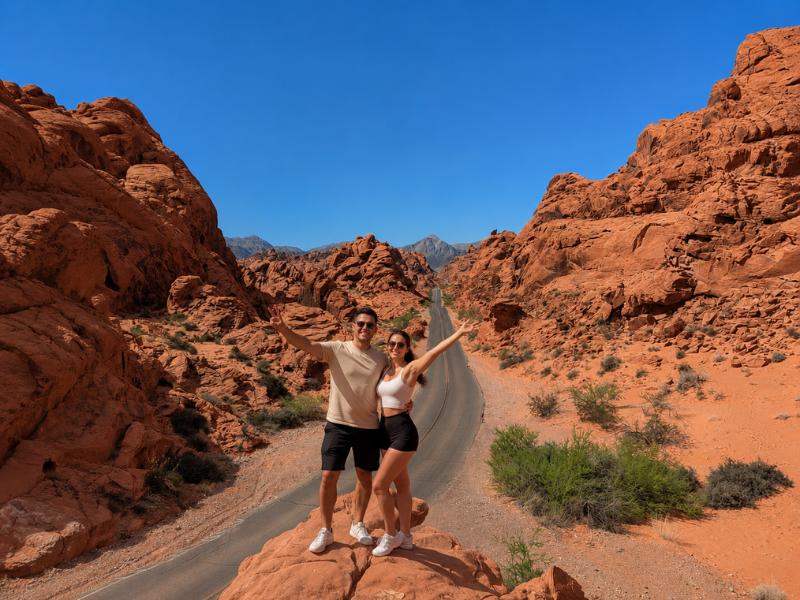
Neither is objectively better; they are different landscapes that reward different amounts of time. Red Rock Canyon is closer, easier to fit into a half day, and better set up for hiking and a paved scenic loop. Valley of Fire is farther, brighter and more surreal in its rock color, and better suited to a dedicated day trip. If your time is tight, proximity usually settles it in Red Rock's favor; if a full day is available, both are worth seeing.
| Red Rock Canyon | Valley of Fire | |
|---|---|---|
| Distance from the Strip | ~17-20 miles | ~50 miles |
| Typical drive time | ~25-35 minutes | ~55-60 minutes |
| Size | ~197,000 acres (NCA) | Nevada's oldest state park |
| Landscape | Red and grey sandstone escarpment, canyons | Vivid red-orange sculpted sandstone formations |
| Best for | Hiking, a paved scenic drive, half-day visits | Photography, a dedicated full day |
| Entry system | Timed entry Oct-May for the Scenic Drive | State park day-use fee |
What Is Red Rock Canyon Actually Like?
Red Rock Canyon National Conservation Area is a red and grey sandstone escarpment right at the edge of the Las Vegas Valley, built around a 13-mile paved scenic loop with hiking trails, overlooks, and a network of canyons cutting into the cliffs. Its defining trait is convenience: it is close enough to visit in half a day without giving up much of anything else on a Las Vegas trip.
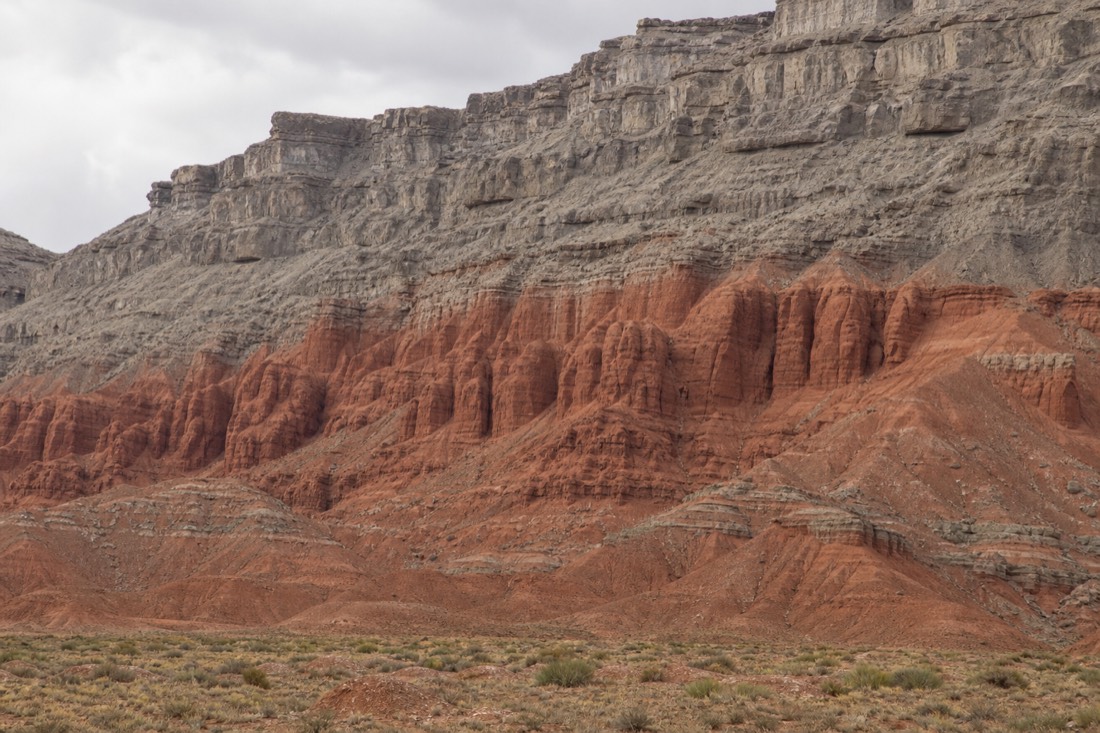
The rock here shows its geology plainly. A grey limestone caprock sits visibly on top of the red sandstone in several spots, the result of the Keystone Thrust fault pushing older rock up and over younger rock tens of millions of years ago. Our guide to why Red Rock Canyon is famous goes deeper into that story if the geology interests you.
What Is Valley Of Fire Actually Like?
Valley of Fire State Park is defined by fire-red and orange sandstone sculpted into dramatic shapes, with landmarks like Elephant Rock and Rainbow Vista drawing photographers specifically for the color and texture of the stone. It sits farther from the city, which is part of why it feels more remote and less crowded on an average day.
Because it is a Nevada state park rather than a BLM conservation area, its rules, fees, and visitor center operate separately from Red Rock Canyon. See Valley of Fire's own page for park-specific details; this guide focuses on the comparison and the logistics of visiting both.
How Far Apart Are They, Really?
Red Rock Canyon sits about 17 to 20 miles west of the Strip, roughly 25 to 35 minutes by car. Valley of Fire sits about 50 miles northeast, roughly 55 to 60 minutes away. Driving directly between the two parks takes around an hour and fifteen minutes, since they sit on opposite sides of the city. That single fact is the whole logistics problem in a sentence. Our dedicated distance guide for Red Rock Canyon covers the Strip-side leg of that trip in more depth.
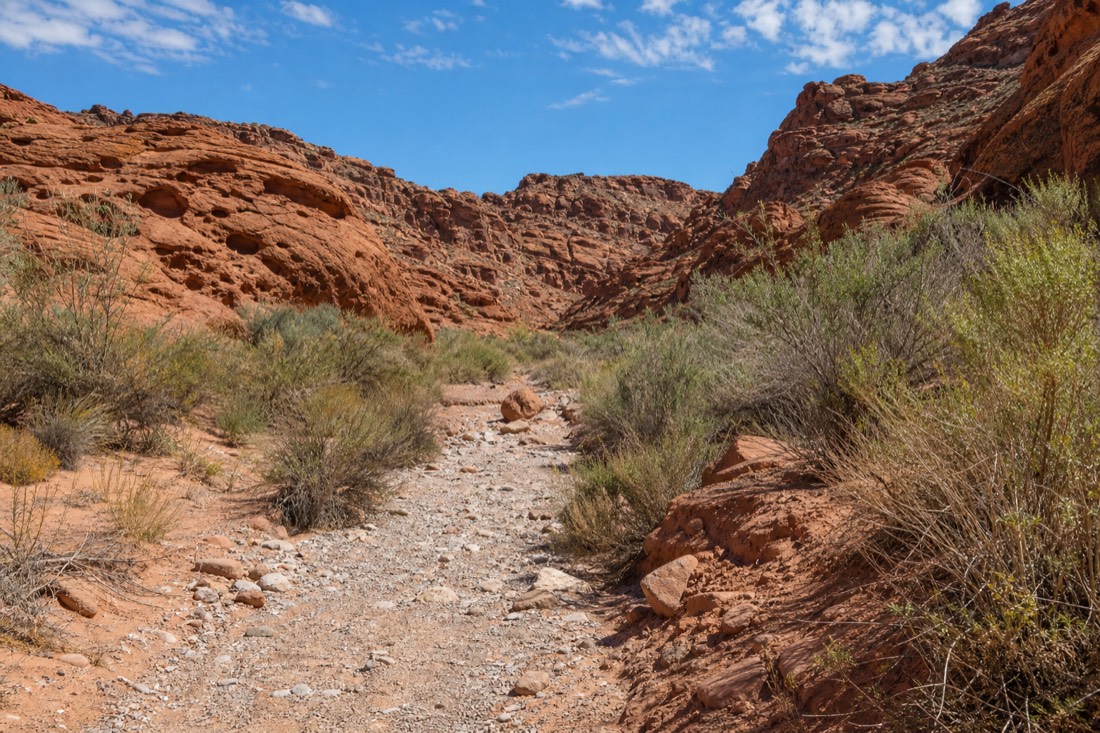
Independently, seeing both in one day means three separate drives: out to one park, across the city to the other, then back to your hotel, which eats a meaningful chunk of a day that could otherwise be spent looking at rocks instead of a windshield.
Can You See Both In One Day?
Yes, but only realistically with a coordinated plan, since the two parks are roughly an hour and fifteen minutes apart on opposite sides of Las Vegas. A single guided day tour that visits both removes the cross-town drive planning entirely. This is exactly what Red Canyon Las Vegas Tours' combo tour covers in a single day.
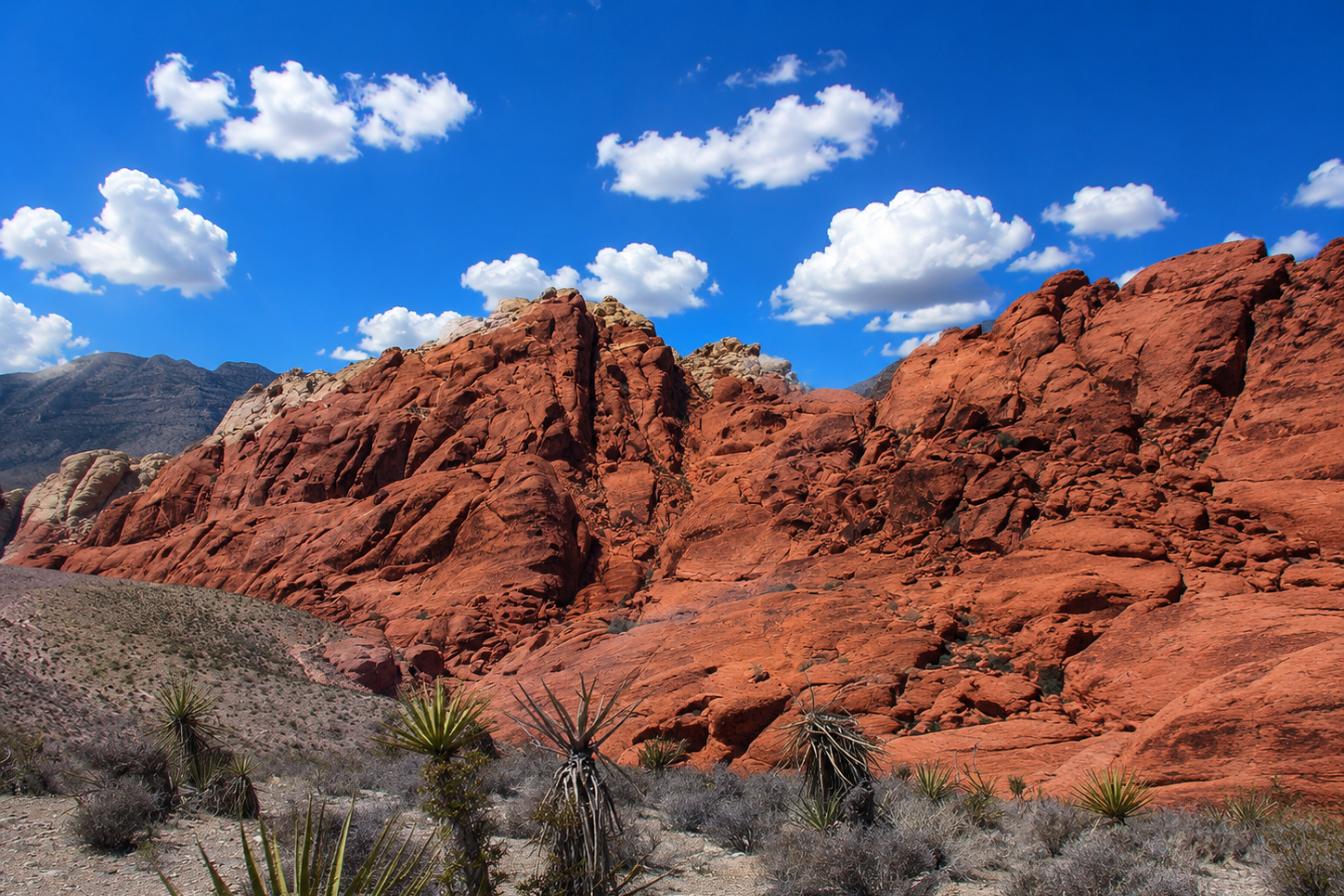
The Red Rock and Valley of Fire full-day tour runs an 8-hour small-group route that starts at Valley of Fire (Elephant Rock, Rainbow Vista, and other stops) in the cooler early morning, then crosses to Red Rock Canyon in the afternoon, with hotel pickup handled on both ends. For a traveler who wants both landscapes without burning a full day on logistics, this is the direct answer to "how do I see both."
Which Should You Pick If You Only Have Time For One?
Pick Red Rock Canyon if your time is limited to a half day, if you want to hike, or if you are already staying on the west side of the Strip. Pick Valley of Fire if you have a full day free, want the most vivid red rock color for photography, and do not mind the longer drive. If you genuinely cannot decide, the combo tour is built for exactly that indecision.
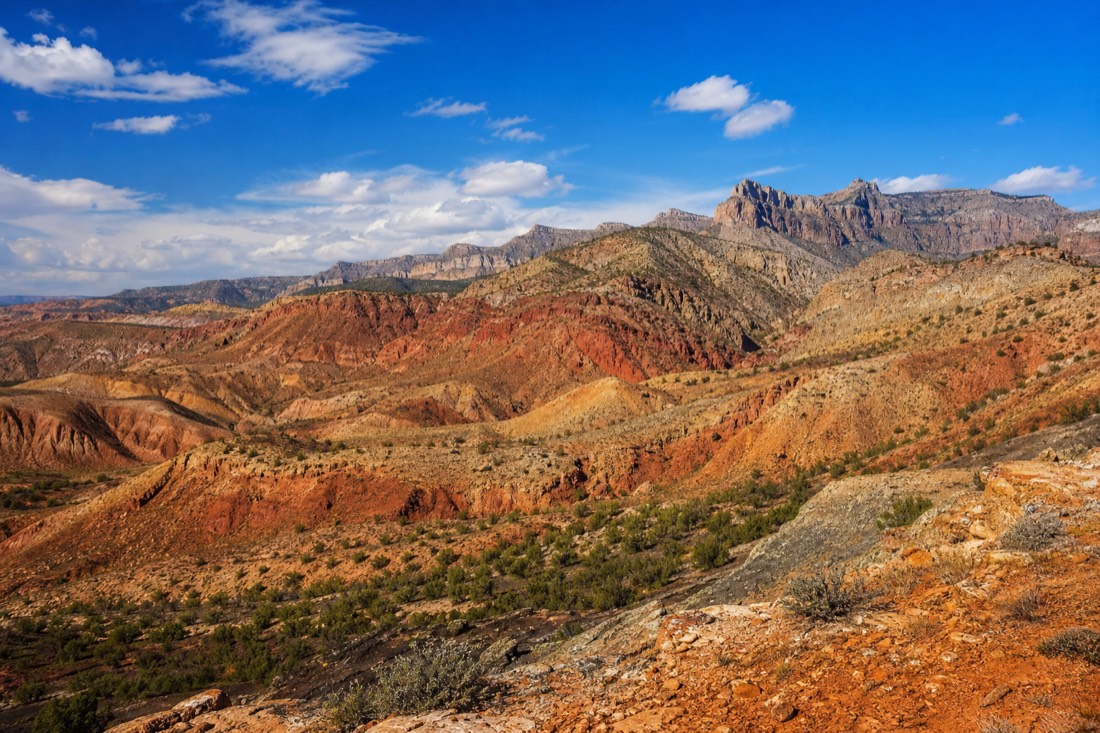
- Choose Red Rock Canyon if: you have half a day, you want to hike (see our best hikes guide), or convenience matters more than novelty.
- Choose Valley of Fire if: you have a full day, photography is the priority, and the extra drive time does not bother you.
- Choose both if: you want the fullest possible desert day and would rather a guide handle the cross-town logistics.
What Do The Two Cost To Visit?
Red Rock Canyon's day pass is $20 per vehicle, with a timed-entry reservation required October through May for the Scenic Drive. Valley of Fire charges its own separate state-park entrance fee. A combined guided day tour bundles both entrance costs, transport, and a guide into a single fixed price, which is often simpler to budget than piecing together two separate visits.

For the full Red Rock Canyon fee breakdown, including annual pass options, see our timed-entry and reservations guide.
What Does Each Park's Signature Landmark Actually Look Like?
Red Rock Canyon's signature feature is the visible Keystone Thrust escarpment, where grey limestone caps red sandstone in a striking color band, best seen from High Point Overlook. Valley of Fire's signature landmarks, Elephant Rock and Rainbow Vista, are individually sculpted formations rather than a single escarpment view. The two parks reward different kinds of looking: one wide geological panorama versus a series of individually dramatic rock shapes.
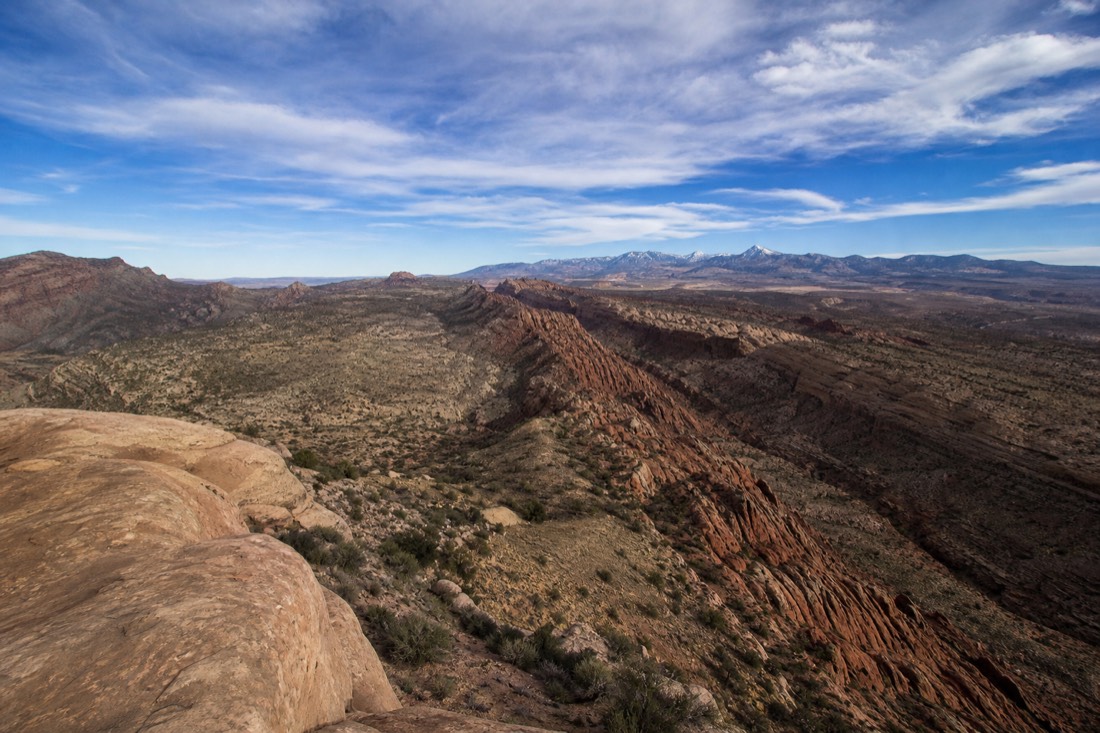
This difference matters for photography in particular. Red Rock Canyon suits wide escarpment shots and canyon views; Valley of Fire suits close-in shots of individual formations against a saturated red background.
Which One Has Better Hiking?
Red Rock Canyon has the deeper, more established trail network for a Las Vegas day trip, covered fully in our best hikes guide, ranging from a moderate walk to a genuine mountain scramble. Valley of Fire has its own shorter interpretive trails suited to a more relaxed pace, generally easier and shorter than Red Rock Canyon's harder options.