Wildlife At Red Rock Canyon: Snakes, Tarantulas And What To Actually Worry About
Most wildlife encounters at Red Rock Canyon are harmless if you follow a short list of real, official guidance, and the two creatures visitors ask about most, rattlesnakes and tarantulas, are both far less dangerous in practice than their reputation.
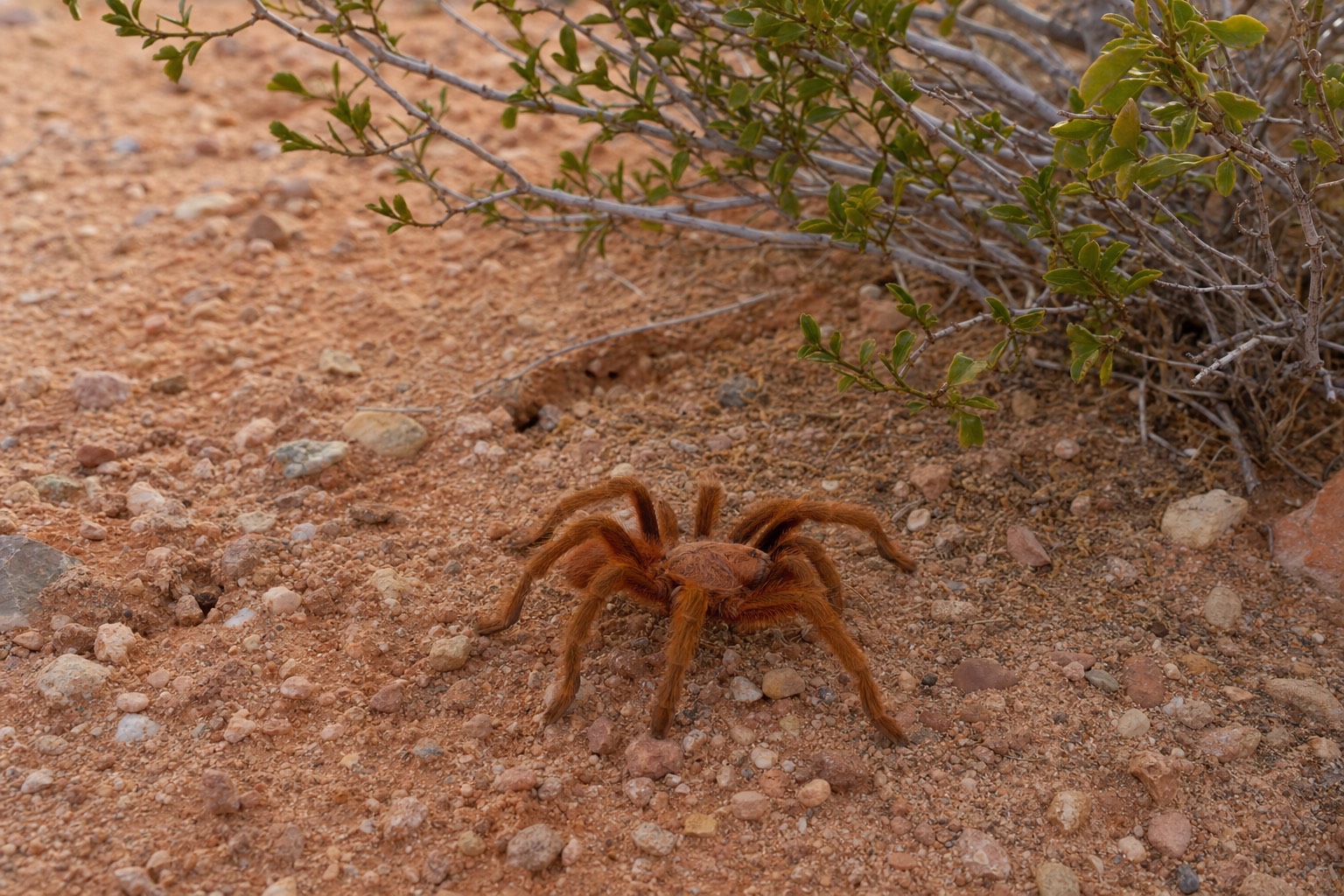
Most wildlife encounters at Red Rock Canyon are harmless if you follow a short list of real, official guidance, and the two creatures visitors ask about most, rattlesnakes and tarantulas, are both far less dangerous in practice than their reputation suggests.
Planning a guided outing? Let a guide drive the Scenic Loop, with Visitor Center and Calico Hills stops.
Explore Red Rock Canyon Scenic TourThe main wildlife to know about at Red Rock Canyon are the Mojave green rattlesnake, active March through October, and the desert tarantula, most visible in fall; official guidance is to keep at least 10 feet from any snake and never touch or provoke either creature. Desert bighorn sheep, wild burros, and desert tortoises also live in the conservation area.
What Should You Know About Rattlesnakes Here?
The Mojave green rattlesnake is the most commonly encountered rattlesnake at Red Rock Canyon, active from March through October, according to Red Rock Canyon's own wildlife guidance. Official guidance is direct: stay at least 10 feet away, never touch or provoke a snake, and never put your hands or feet somewhere you cannot see, such as on a rock ledge above head height on a trail.
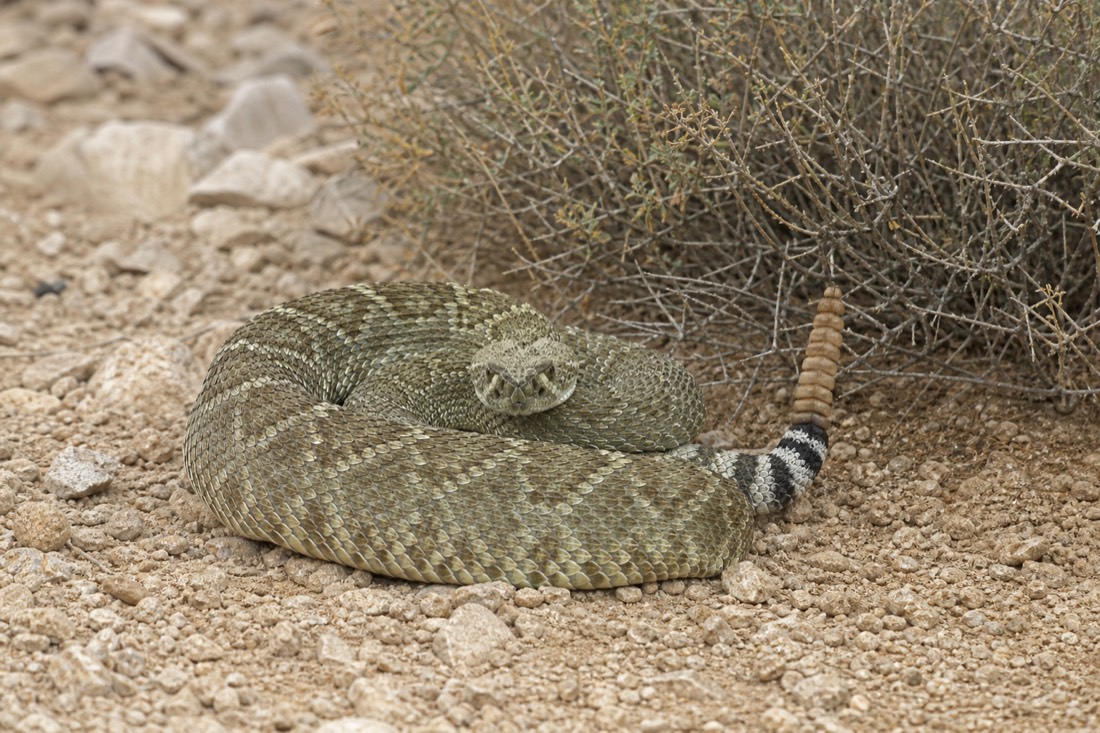
If someone is bitten: call 911 immediately, keep the person still, keep the bite at or below heart level, remove jewelry near the bite before swelling starts, and never apply a tourniquet or ice. These are the official steps, not general first-aid folklore.
Are Desert Tarantulas Dangerous?
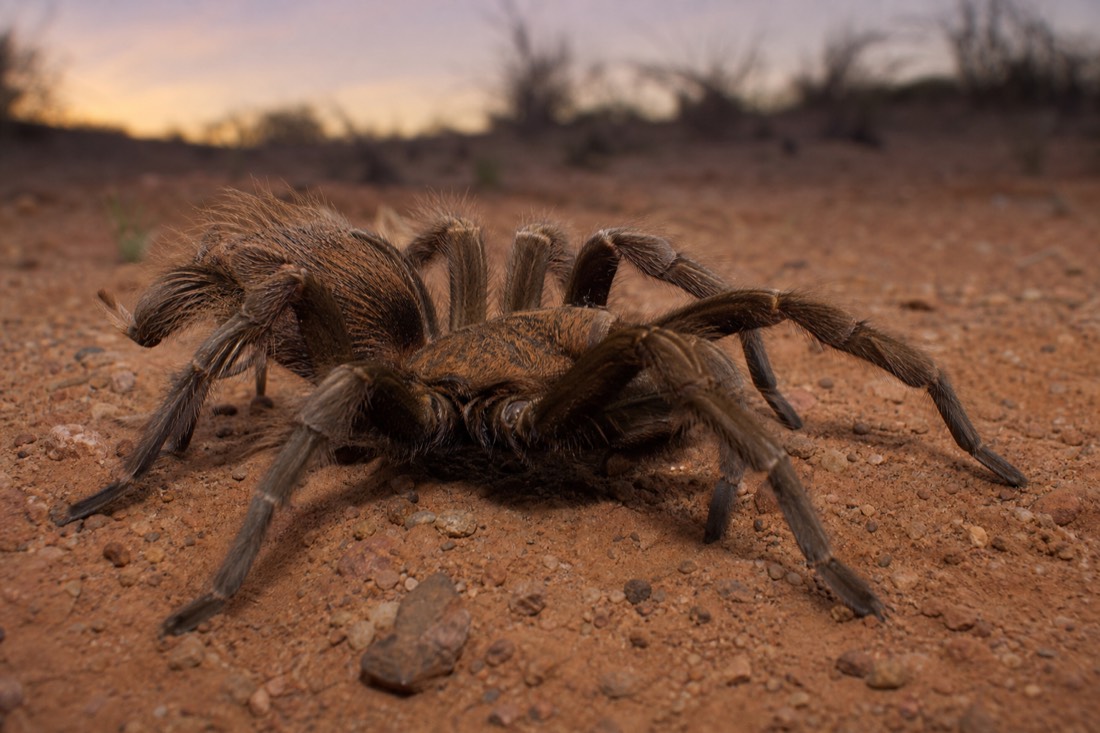
No, desert tarantulas at Red Rock Canyon are generally docile. In fall, males roam the desert floor at sunrise and sunset looking for mates, which is the season and time of day you are most likely to see one crossing a trail. They are not aggressive toward people and mostly want to be left alone, same as most wildlife here, per the park's own tarantula guidance.
Does Camping Overnight Change Your Odds Of An Encounter?
Somewhat. Nighttime and early morning, exactly when a campsite is quietest, are also when tarantulas and some nocturnal desert animals are most active. None of that should discourage an overnight stay; it just means the same distance-and-caution rules apply after dark as they do on a midday trail. Our camping guide covers the real rules for an overnight stay at Red Rock Canyon Campground.
What Other Animals Live In The Conservation Area?
Desert bighorn sheep are present and sometimes visible from the Scenic Drive or from trails at a distance. Wild burros and desert tortoises are also documented in the area; the Visitor Center itself maintains a small desert tortoise habitat where you can see them up close in a controlled setting.
Are There Real Statistics On Bites Or Encounters?
No official published figures on bite counts or encounter rates exist for this specific park, so none are used here. The honest, useful guidance is the behavioral advice above (distance, no provoking, careful hand and foot placement), which applies regardless of how common or rare an actual encounter is.
What About Scorpions And Other Small Hazards?
Scorpions live throughout the Mojave Desert, including in and around Red Rock Canyon, and the same basic caution applies: do not put a hand or foot somewhere you cannot see, particularly under rocks or in shaded crevices where they shelter during the heat of the day. Most scorpion stings in this region cause pain and swelling rather than a medical emergency, but treat any sting with the same seriousness as a snake bite until you know otherwise.
Cactus and other spined desert plants along the trails are a more common, more minor hazard than any animal. Staying on the marked trail avoids the vast majority of both plant and animal encounters, since most wildlife here actively avoids foot traffic rather than seeking it out.
Does Wildlife Change How You Should Plan A Visit?
Mostly in small, practical ways: watch where you place your hands on rock scrambles (trails like Turtlehead Peak or Icebox Canyon both involve scrambling), keep a respectful distance from anything that moves, and treat fall evenings as prime tarantula-crossing time rather than a cause for alarm. If you would rather see the canyon's terrain from a vehicle instead of on foot, the guided 4x4 tour covers the backcountry with an expert driver and far less direct ground contact than a hike, one of several guided Red Rock Canyon tours that keep you mostly off the ground itself.