Rock Climbing And Bouldering At Red Rock Canyon: A Beginner's Guide
Red Rock Canyon is a nationally known sandstone climbing destination, and none of the six guided tours here touch it, which makes it one of the few genuinely untouched activities in the park for anyone willing to bring their own gear or hire a local guide service.
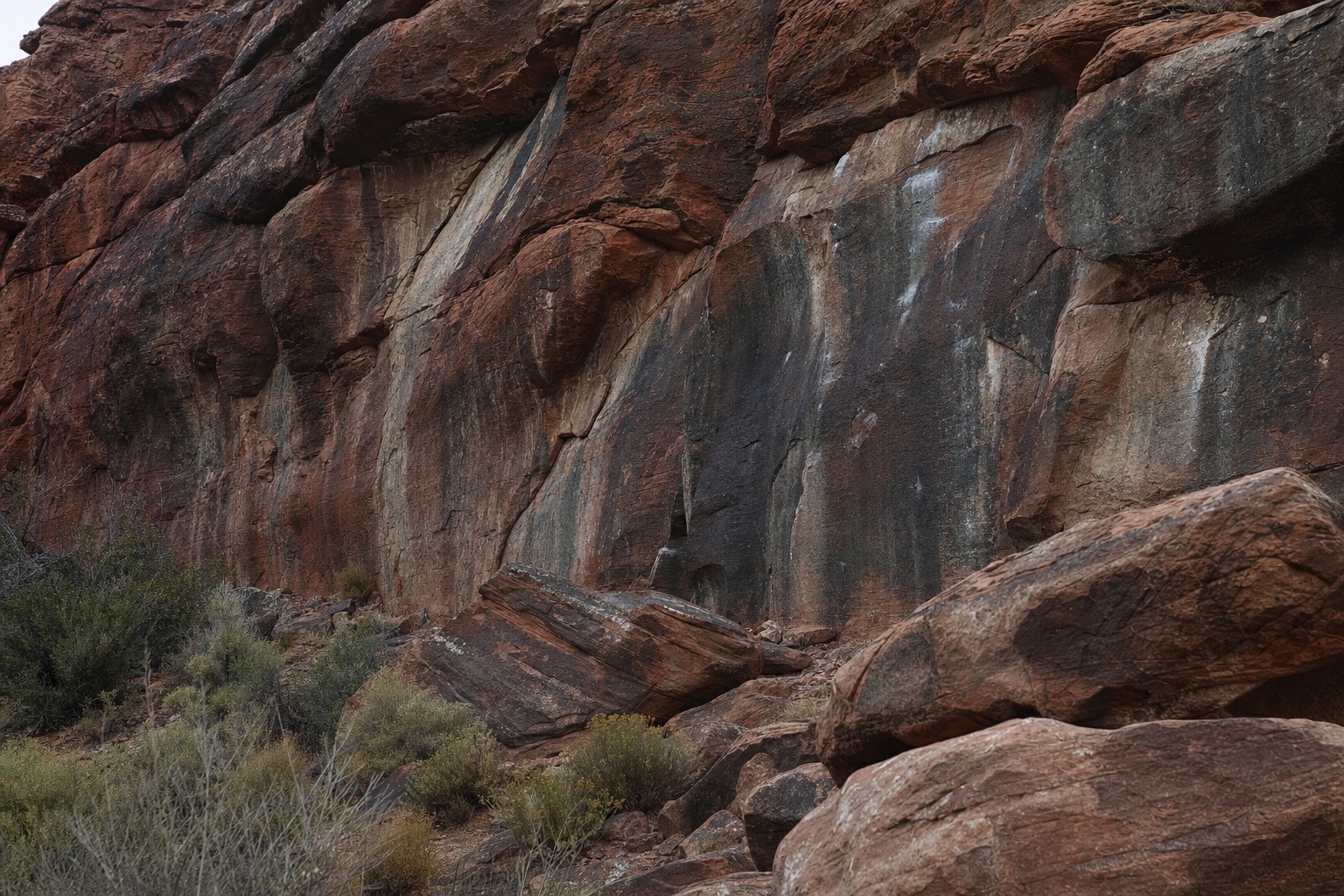
Red Rock Canyon is a nationally known sandstone climbing destination, and none of the guided tours covered elsewhere on this site touch it, which makes it a separate activity from the sightseeing tours for anyone willing to bring their own gear, join a local climbing group, or hire a dedicated climbing guide service.
Planning a guided outing? Ride the Scenic Loop and Rocky Gap Road with a trained off-road driver.
Explore Rocky Gap 4x4 AdventureLatest dataThree areas, ranked by how beginner-friendly they are
This ranking reflects approach distance and route density described by climbing-specific sources, not a graded difficulty scale. Always check current route guides before attempting anything specific.
Where Should A Beginner Start?
Kraft Boulders is the most beginner-friendly area: a short walk from the parking lot rather than the long canyon approaches Red Rock is known for, sunny, and a good place to get a real feel for outdoor bouldering before committing to anything harder. It is the natural first stop for anyone who has only climbed indoors before.
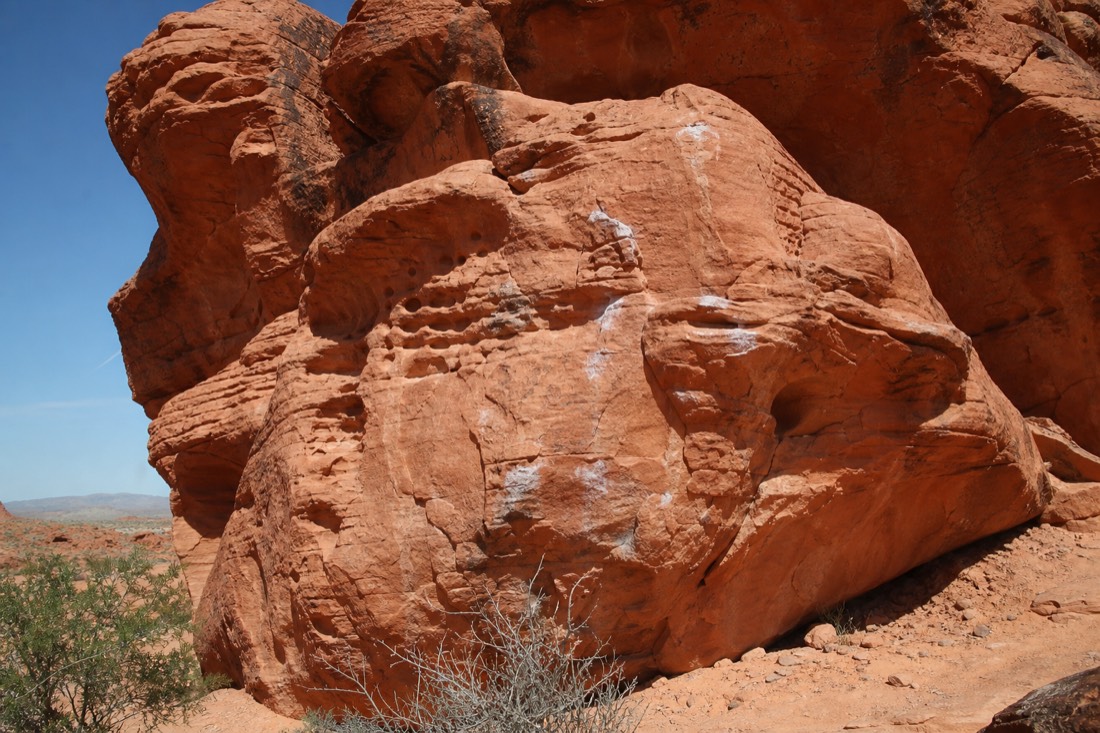
None of the tours sold on this site include guided climbing or bouldering instruction. Climbing here is climb-at-your-own-risk, using your own gear and judgment or a separate, dedicated climbing guide service, not something arranged through this site.
What Is Calico Basin Like?
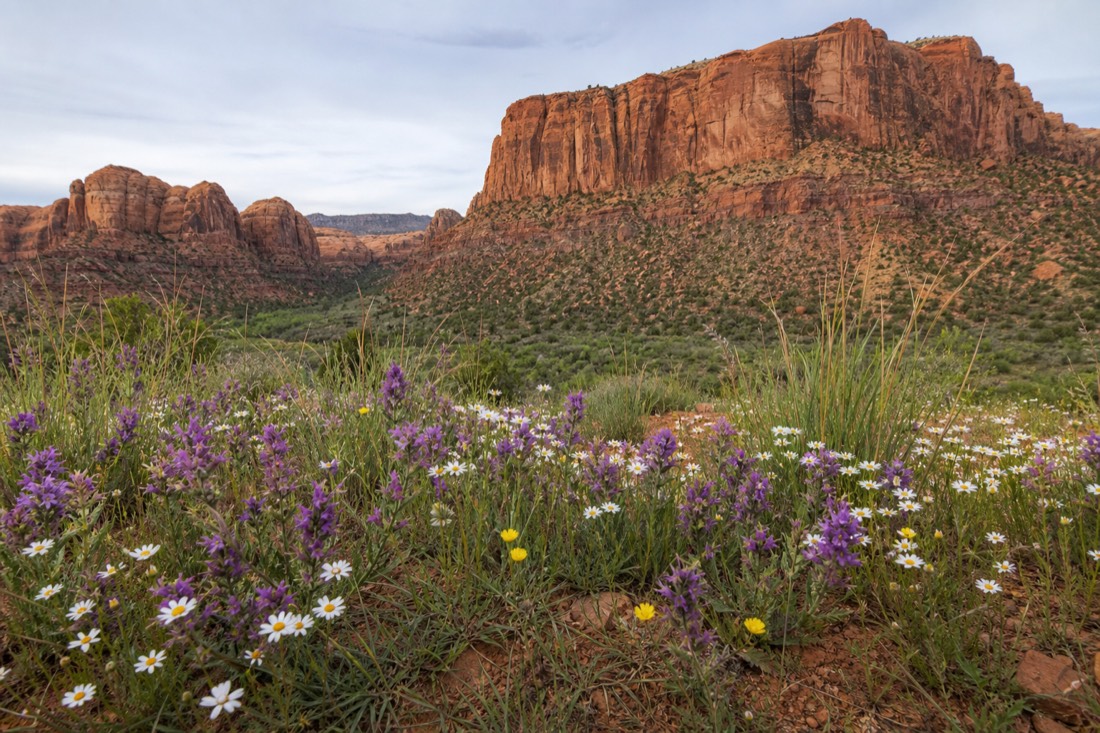
Calico Basin sits close to Kraft Boulders and offers dozens of classic, moderate bouldering problems on red and orange sandstone, making it a natural next stop once Kraft starts to feel too easy. The two areas are often mentioned in the same breath by climbing guides because of how close together they sit.
What About Calico Hills?
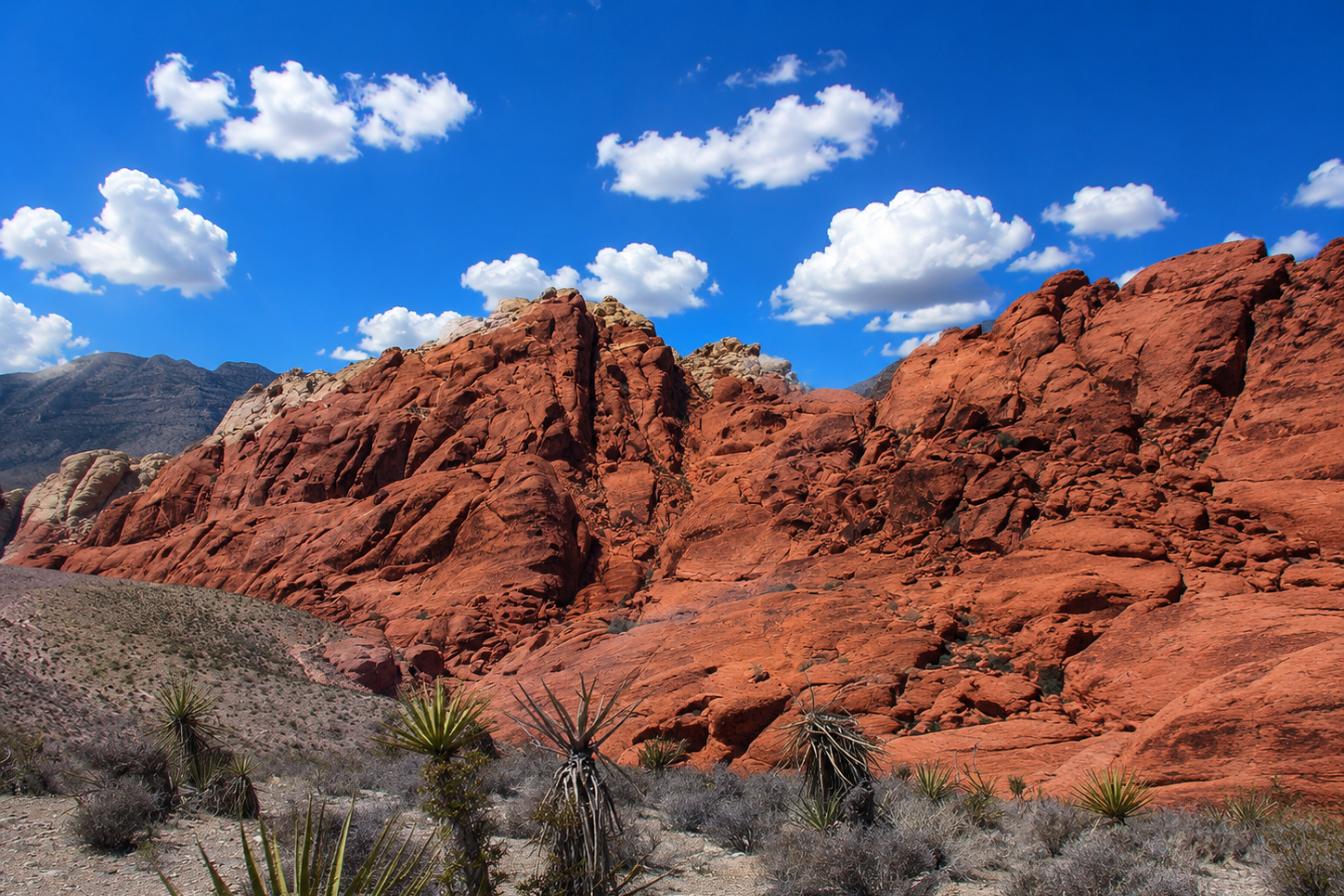
Calico Hills, right along the Scenic Drive, has seen a large number of entry-level and moderate bolted sport routes added in recent years, giving Red Rock Canyon one of the biggest collections of approachable sport climbs anywhere in the country. This is where a bouldering-only climber typically moves for a first taste of roped climbing.
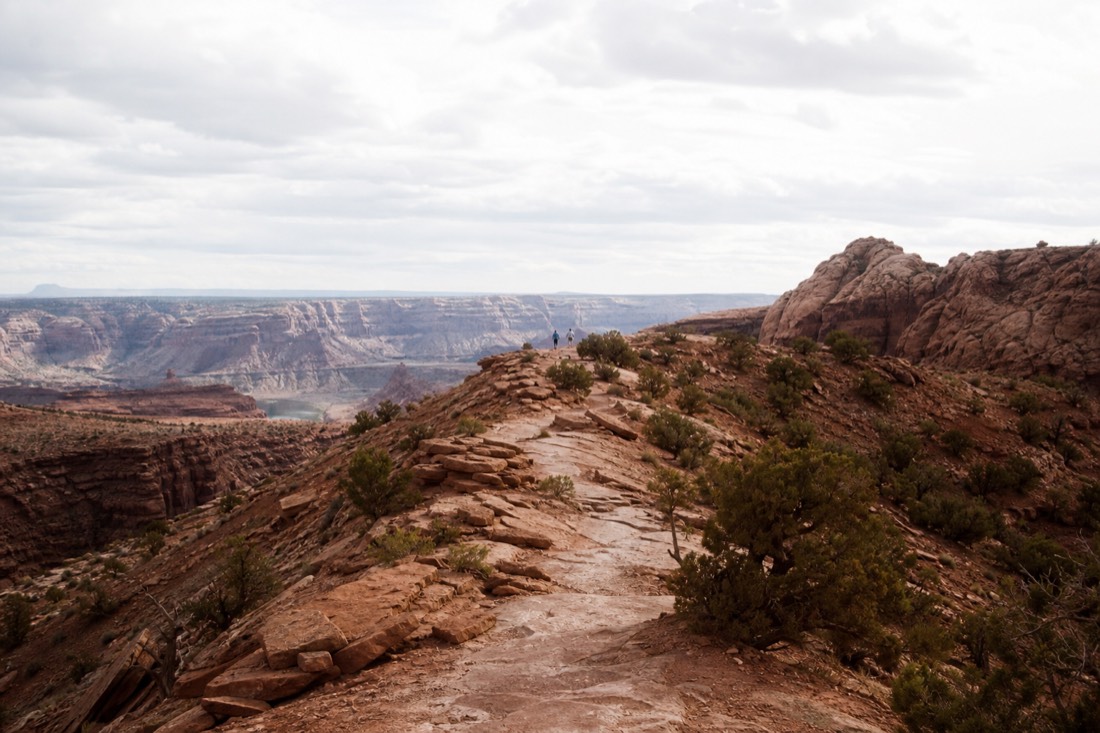
Because Calico Hills sits directly on the Scenic Drive, it doubles as a good stop even if you only want to watch other climbers and see the bolted lines from below, without climbing yourself.
Ranked: Which Area To Visit, In Order
| Order | Area | Why here first |
|---|---|---|
| 1 | Kraft Boulders | Shortest approach, sunny, true beginner terrain |
| 2 | Calico Basin | More problems once Kraft feels too easy, still close by |
| 3 | Calico Hills | The step up to bolted sport routes, once bouldering feels comfortable |
What Do You Actually Need To Bring?
Bouldering needs the least gear: climbing shoes, chalk, and ideally a crash pad, since Red Rock's boulders sit on uneven natural ground rather than a padded gym floor. Roped sport climbing at Calico Hills adds a rope, harness, quickdraws and a partner who knows how to belay.
| Activity | Minimum gear | Recommended extra |
|---|---|---|
| Bouldering (Kraft, Calico Basin) | Climbing shoes, chalk bag | A crash pad, a spotter |
| Sport climbing (Calico Hills) | Shoes, harness, rope, quickdraws | A helmet, a partner experienced with belaying |
Do You Need A Permit To Climb At Red Rock Canyon?
No separate climbing permit is required, but reaching Calico Hills and most bouldering areas means driving the Scenic Drive, which needs a timed-entry reservation from October through May. The rules are the same as for any other vehicle entering the loop.
See our timed-entry and reservations guide for the current booking process if your climbing trip falls in that window.
What About Safety And Desert Etiquette?
Sandstone climbs differently when it is damp, since the rock softens and holds can break under body weight, so most experienced local climbers avoid climbing within a day or two of rain. Beyond that, standard desert precautions apply: carry more water than you think you need, watch for the same wildlife covered in our Red Rock Canyon wildlife guide, and check current conditions before a serious trip.
Climbing etiquette here is the same as any shared crag: yield to parties already on a route, keep noise reasonable near other climbers, and pack out everything you bring in, including tape and chalk-bag litter.
When Is The Best Season To Climb?
Fall and spring bring the most comfortable rock temperatures for climbing, the same shoulder seasons that suit hiking here. Summer sandstone gets uncomfortably hot to the touch by midday, and winter mornings can be cold enough to stiffen fingers on smaller holds.
Our best time to visit guide covers the underlying weather data in more depth if you are planning a dedicated climbing trip around the calendar.
Where Can You Learn More Before You Go?
Two resources are worth checking before a serious climbing trip: Mountain Project's Red Rocks area pages for route-by-route beta, and "Red Rocks: A Climber's Guide," the definitive printed guidebook to the area. Neither substitutes for real climbing experience or a guide if you are new to outdoor climbing.
Mountain Project's Red Rocks pages cover specific routes and current conditions reported by other climbers, while Red Rocks: A Climber's Guide is the reference guidebook serious climbers carry into the canyon.
What If Climbing Isn't For You, But You Still Want The Adventure?
Not everyone wants to climb the rock; some visitors would rather drive through the backcountry that surrounds it, or see the whole climbing area from above. Two of the site's guided tours cover exactly that middle ground.
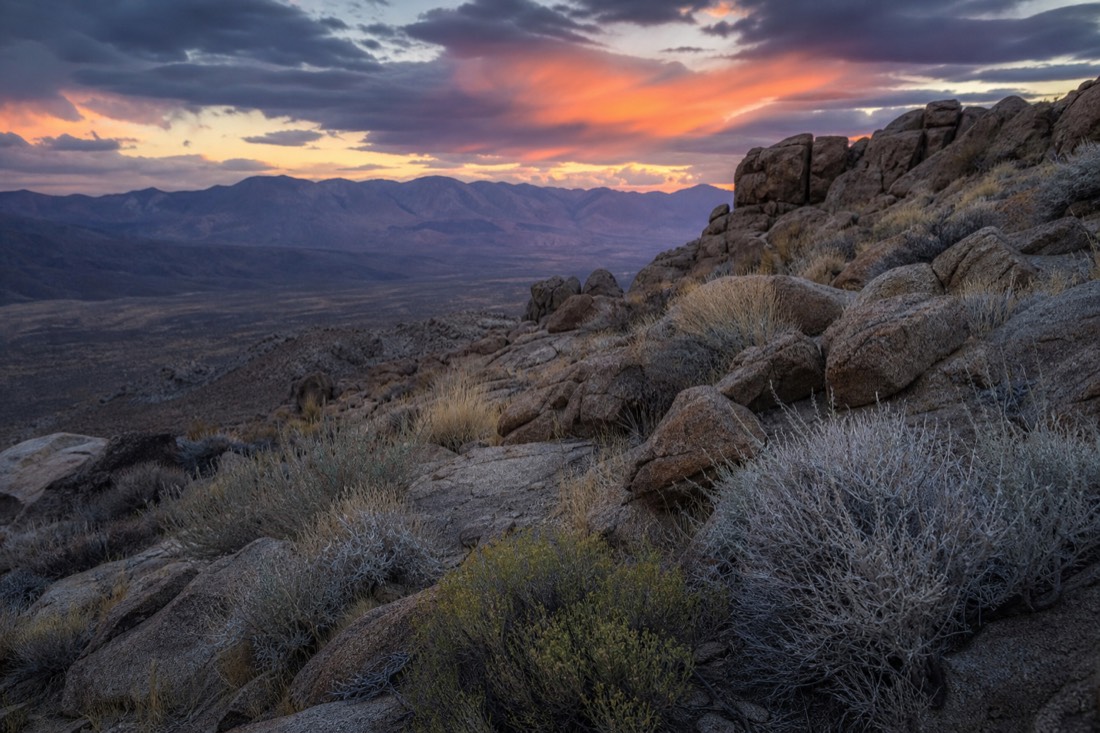
The 4x4 off-road tour takes you through the unpaved backcountry on Rocky Gap Road with an expert guide, no technical climbing skill required, while the helicopter tour gives you an aerial view of the same cliffs climbers work on, from a completely different angle. Neither of our guided Red Rock Canyon tours includes climbing itself, but both cover the terrain around it.